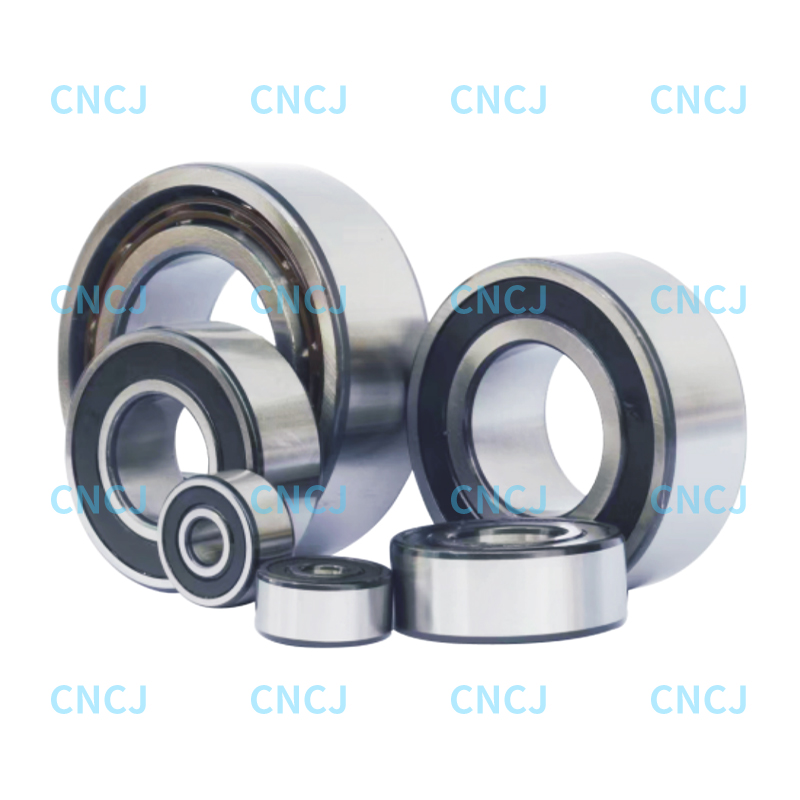
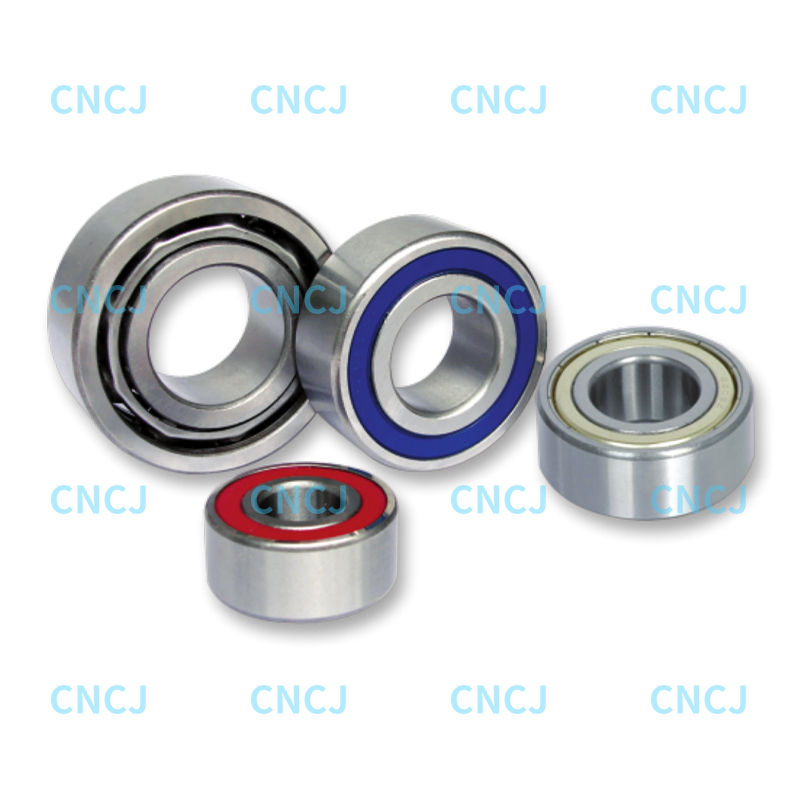
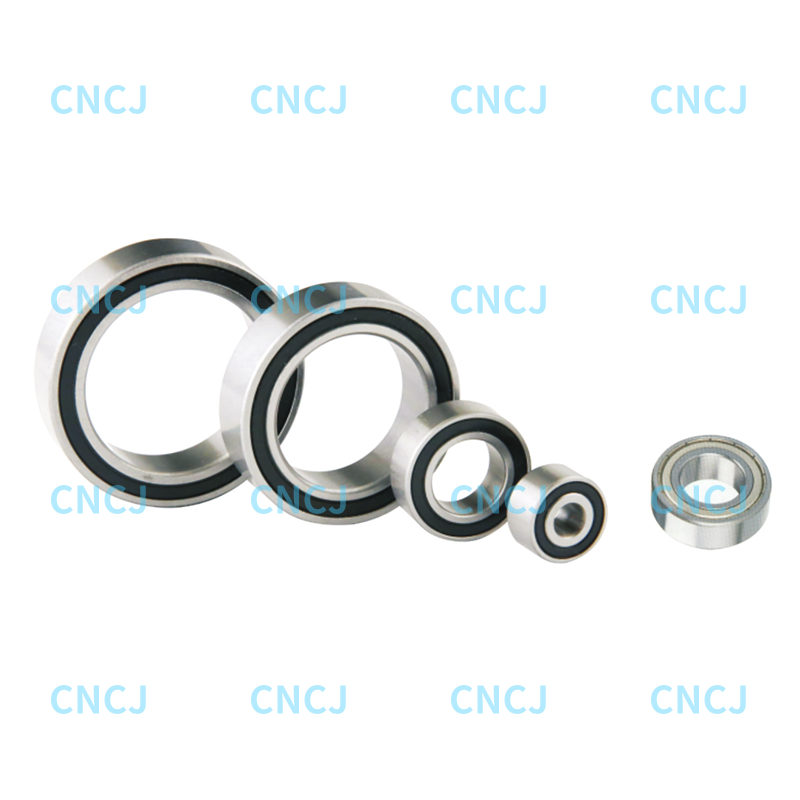
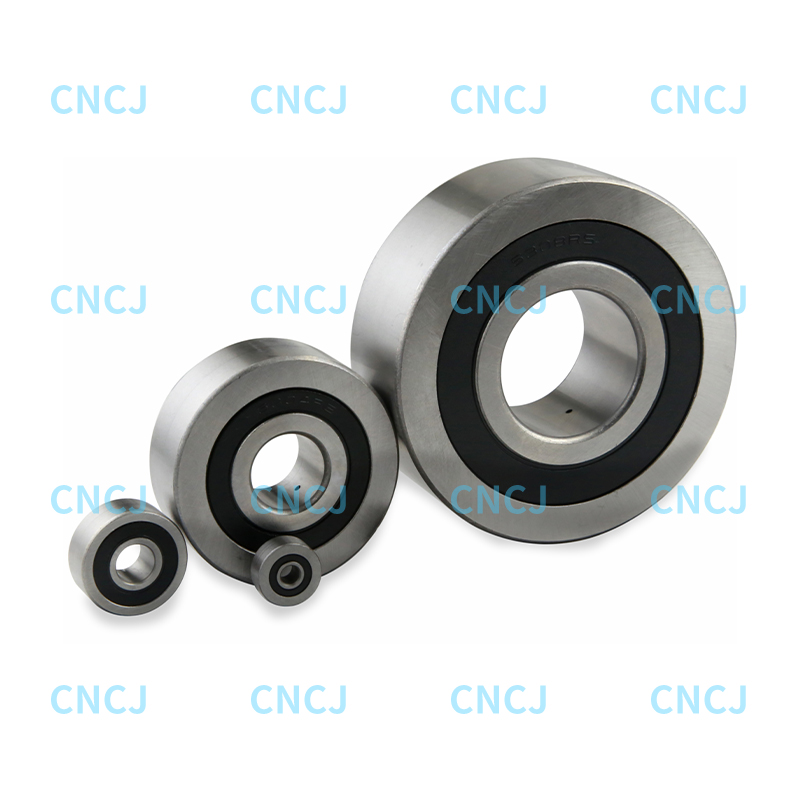
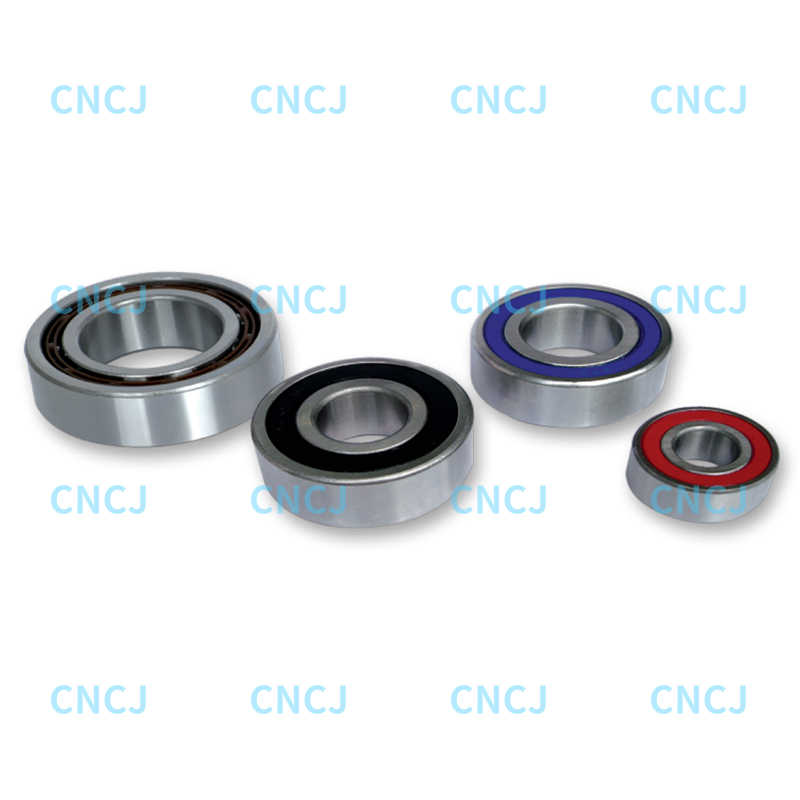
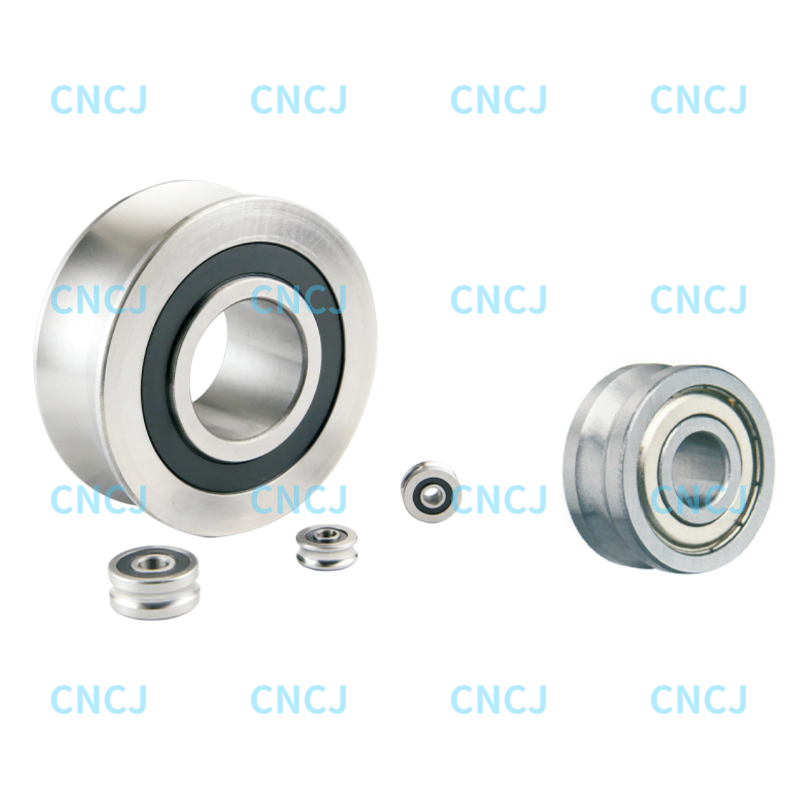
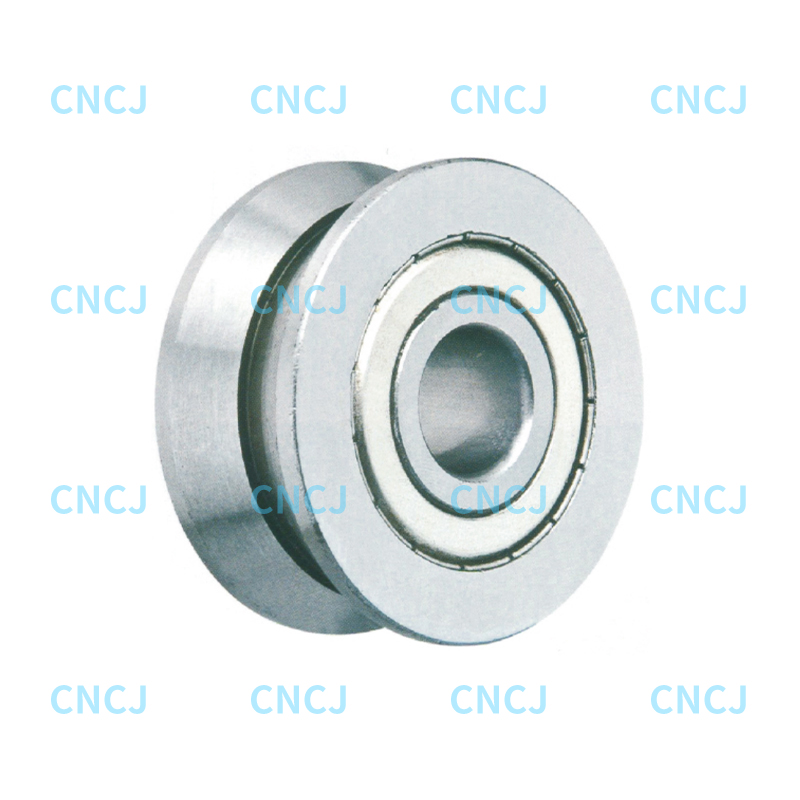
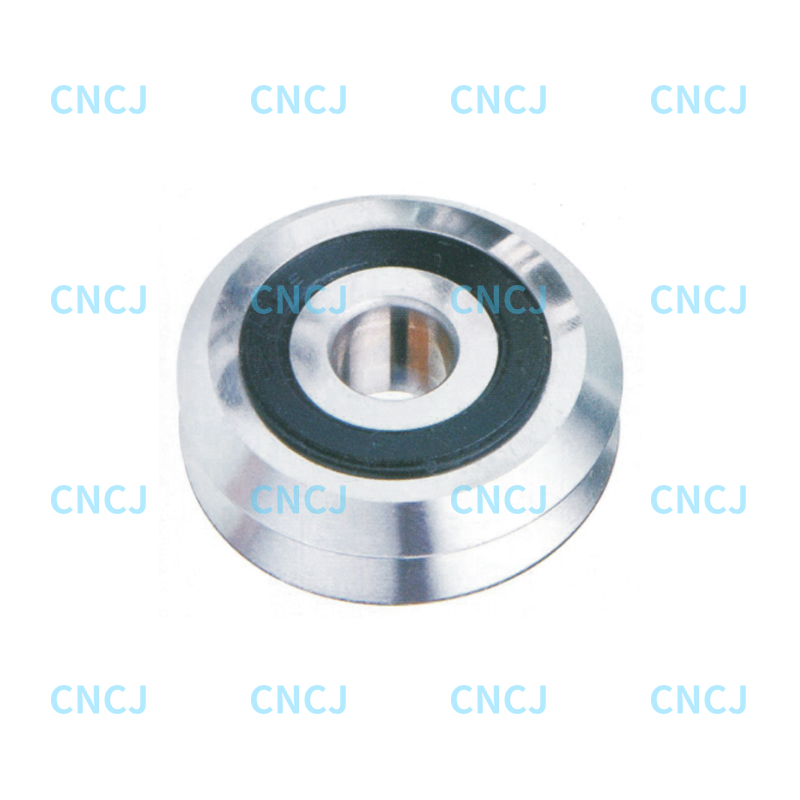
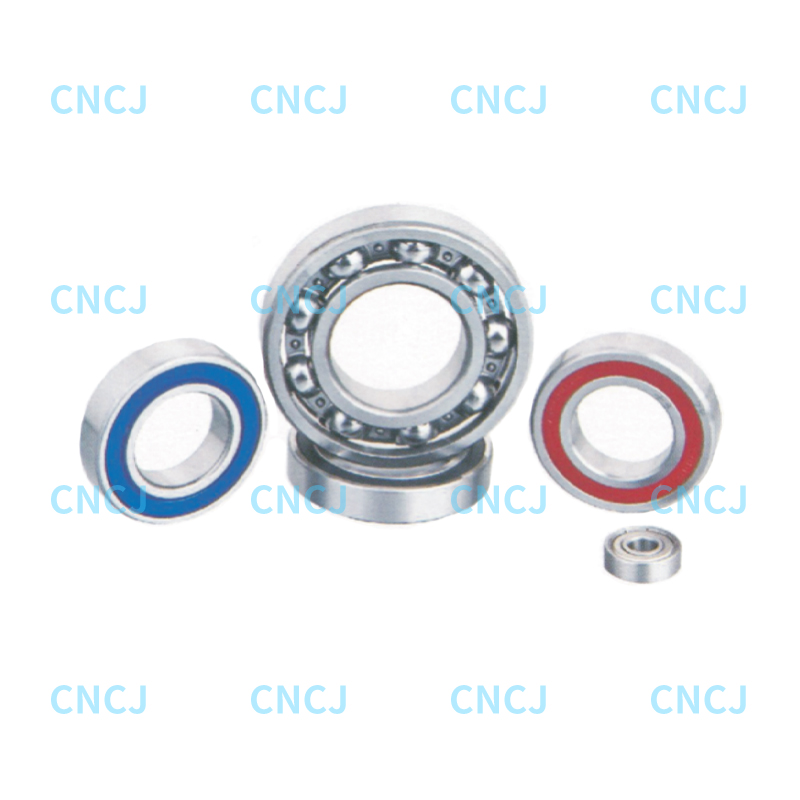
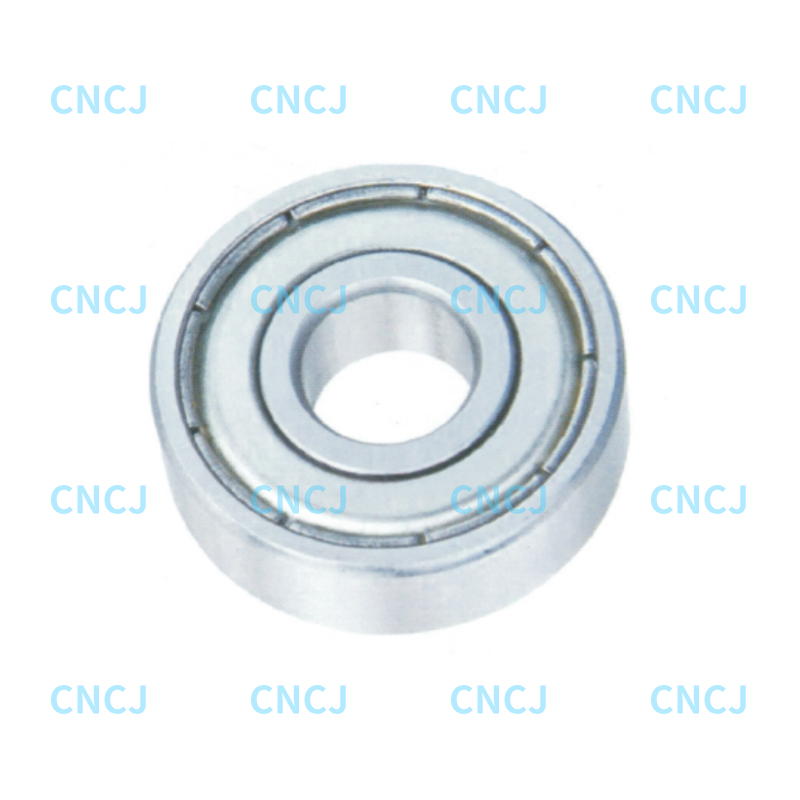
Vòng bi lăn tiếp xúc góc đôi hàng là ổ trục chính xác sử dụng hai hàng con lăn - thường là con lăn hình trụ hoặc hình côn - được bố trí đối xứng trong một vỏ duy nhất, được thiết kế để chịu tải trọng hướng tâm và hướng trục (lực đẩy) đồng thời từ cả hai hướng . Hình dạng "tiếp xúc góc" có nghĩa là mỗi hàng con lăn hoạt động trên một góc tiếp xúc - thường là từ 15 đến 40 độ so với mặt phẳng hướng tâm - xác định tỷ lệ giữa khả năng chịu tải hướng trục và hướng tâm. Bằng cách kết hợp hai hàng thành một khối, các vòng bi này mang lại mức tải tổng hợp cao hơn, độ cứng cao hơn và lắp đặt nhỏ gọn hơn so với hai vòng bi một hàng riêng biệt được lắp đối diện nhau, khiến chúng trở thành lựa chọn tiêu chuẩn cho trục chính máy công cụ, hộp số, cổ máy cán và bộ truyền động công nghiệp nặng.
Vòng bi lăn tiếp xúc góc đôi hàng hoạt động như thế nào
Nguyên lý hoạt động dựa trên hình dạng góc tiếp xúc. Khi con lăn hoạt động ở một góc tiếp xúc xác định so với trục ổ trục, lực tiếp xúc giữa con lăn, vòng trong và vòng ngoài sẽ phân thành cả thành phần hướng tâm và thành phần hướng trục. Hai hàng được sắp xếp theo cấu hình "O" (đối lưng) hoặc "X" (mặt đối mặt) trong cùng một vòng ngoài, cho phép mỗi hàng xử lý tải trọng trục từ một hướng trong khi bộ phận kết hợp chống lại lực đẩy dọc trục từ cả hai hướng cùng một lúc.
Cấu hình O (Quay lưng) so với Cấu hình X (Mặt đối mặt)
Sự sắp xếp của hai hàng con lăn quyết định độ cứng và khả năng chịu mô men của ổ trục:
| Cấu hình | Vị trí đỉnh nón áp suất | Khả năng chịu tải thời điểm | Ứng dụng điển hình |
| Loại O (Back-to-Back, DB) | Đỉnh phân kỳ ra ngoài từ đường trung tâm | Cao - phạm vi hiệu quả rộng | Trục máy công cụ, trục bánh xe, máy bơm |
| Loại X (Mặt đối mặt, DF) | Apices hội tụ bên trong mang | Trung bình - khoảng hiệu quả hẹp | Bộ truyền động bánh răng côn, bánh răng vi sai |
Cấu hình O được sử dụng rộng rãi hơn vì các đỉnh hình nón áp suất phân kỳ của nó tạo ra một khoảng chịu lực hiệu quả lớn hơn trong cùng một không gian dọc trục, mang lại khả năng chống lại mô men lật cao hơn đáng kể - rất quan trọng trong các ứng dụng trục chính và trục bánh xe nơi mà lực đúc hẫng là đáng kể. (Nguồn: Phân tích ổ lăn, Tedric A. Harris và Michael N. Kotzalas, Tái bản lần thứ 5, CRC Press)
Vai trò của góc tiếp xúc
Góc tiếp xúc chi phối trực tiếp sự phân bố tải giữa các thành phần hướng tâm và hướng trục:
- Góc tiếp xúc 15 độ: Khả năng chịu tải xuyên tâm cao hơn, khả năng chịu tải dọc trục thấp hơn - phù hợp cho các ứng dụng mà tải xuyên tâm chiếm ưu thế với lực đẩy vừa phải
- Góc tiếp xúc 25 độ: Công suất hướng tâm và hướng trục cân bằng - lựa chọn mục đích chung phổ biến nhất cho trục chính và hộp số máy công cụ
- Góc tiếp xúc 40 độ: Công suất trục cao hơn với chi phí phải chịu một số mức tải trọng hướng tâm - được sử dụng trong các bộ truyền động trục vít, trục bơm hướng trục và các ứng dụng lực đẩy chiếm ưu thế
cáco ISO 281:2007, các tính toán định mức tải trọng động C và tuổi thọ định mức cơ bản L10 cho vòng bi tiếp xúc góc kết hợp góc tiếp xúc như một biến cơ bản xác định tải trọng động tương đương trong các điều kiện tải trọng kết hợp. (Nguồn: ISO 281:2007, Vòng bi lăn - Xếp hạng tải trọng động và Tuổi thọ danh định)
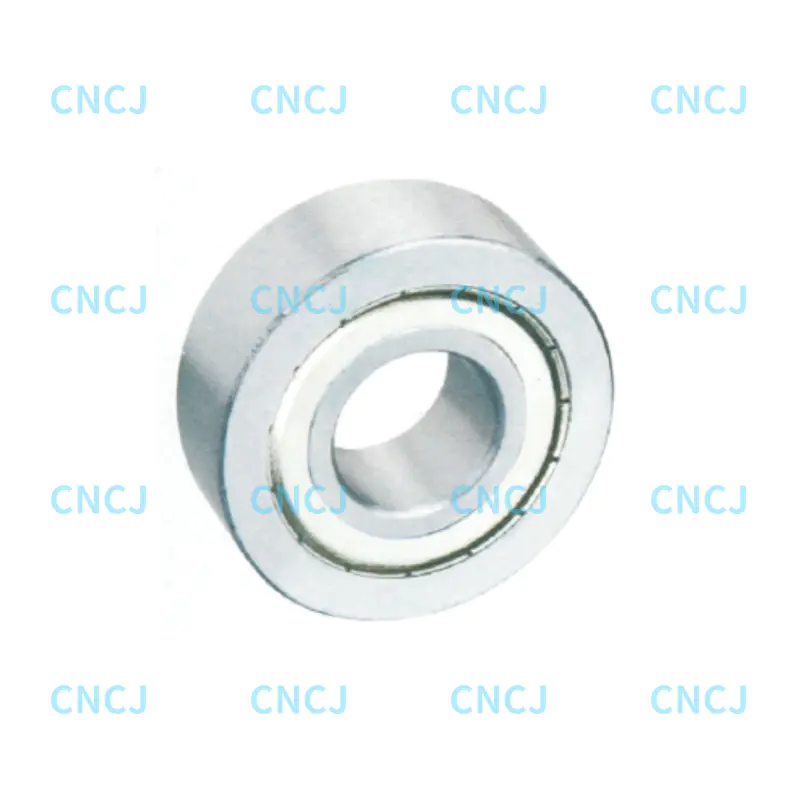
Đặc điểm thiết kế chính giúp phân biệt loại vòng bi này
Hai hàng con lăn trong một đơn vị
Đặc điểm cấu trúc xác định là cả hai hàng con lăn đều có chung một vòng ngoài và, trong hầu hết các thiết kế, có một miếng đệm tích hợp hoặc cụm vòng trong. Sự tích hợp này cung cấp Khả năng chịu tải xuyên tâm cao hơn 30 đến 50% so với ổ trục tiếp xúc góc một dãy có cùng đường kính lỗ, trong khi vẫn đạt được khả năng chịu tải dọc trục theo cả hai hướng mà không cần lắp ghép các bộ phận riêng biệt. (Nguồn: Danh mục vòng bi FAG WL 41520/3 EA, Tập đoàn Schaeffler)
Giải phóng mặt bằng nội bộ hoặc tải trước
Không giống như vòng bi tiếp xúc góc một dãy yêu cầu người dùng thiết lập tải trước bằng cách điều chỉnh kẹp dọc trục trong quá trình lắp đặt, vòng bi tiếp xúc góc hai dãy được cung cấp kèm theo một điều kiện giải phóng mặt bằng nội bộ hoặc tải trước do nhà máy thiết lập . Điều này giúp loại bỏ sự không chắc chắn khi lắp đặt liên quan đến các đơn vị một hàng được ghép nối và đảm bảo độ chính xác và độ cứng khi chạy nhất quán kể từ thời điểm lắp đặt — đặc biệt quan trọng trong các trục máy công cụ nơi tải trước ảnh hưởng trực tiếp đến độ chính xác và độ rung khi gia công.
Tùy chọn niêm phong và bôi trơn tích hợp
Nhiều vòng bi tiếp xúc góc hai hàng có sẵn ở dạng kín (ký hiệu hậu tố 2RS hoặc 2Z) được bôi trơn bằng mỡ do nhà máy cung cấp để có tuổi thọ thiết kế lên tới lên tới 20.000 giờ trở lên trong điều kiện định mức mà không cần bôi trơn lại. Các biến thể mở cho phép bôi trơn bằng dầu cho các ứng dụng tốc độ cao hoặc nhiệt độ cao mà mỡ không thể duy trì đủ lớp màng. (Nguồn: ISO 15312:2003, Vòng bi lăn - Định mức tốc độ nhiệt - Tính toán và hệ số)
Khả năng chịu tải: Những gì những vòng bi này xử lý mà những vòng bi khác không thể xử lý được
Vòng bi lăn tiếp xúc góc đôi hàng là specifically engineered for combined loading scenarios that would require compromises from other bearing types:
| Loại ổ trục | Tải xuyên tâm | Tải trọng trục (Cả hai hướng) | Tải khoảnh khắc | Tải kết hợp |
| Vòng bi rãnh sâu | Tốt | bị giới hạn | Nghèo | Trung bình |
| Bóng tiếp xúc góc đơn hàng | Tốt | Chỉ một hướng | Thấp | Trung bình (requires pairing) |
| Vòng bi lăn hình trụ | Rất cao | Rất hạn chế | Thấp | Chỉ chiếm ưu thế xuyên tâm |
| Con lăn tiếp xúc góc đôi hàng | Cao | Cả hai hướng, công suất cao | Cao (O-type) | Tuyệt vời |
| Vòng bi côn (ghép đôi) | Rất cao | Cả hai hướng | Cao | Xuất sắc (nhưng yêu cầu hai đơn vị) |
Lợi thế cạnh tranh chính so với vòng bi côn ghép đôi là xây dựng đơn vị : một ổ trục thay thế hai ổ trục, giảm chiều dài vỏ, loại bỏ nhu cầu điều chỉnh trục chính xác của bộ được ghép nối trong quá trình lắp đặt và giảm tổng số bộ phận trong cụm.
Nơi sử dụng vòng bi lăn tiếp xúc góc đôi hàng
Những vòng bi này xuất hiện trong các ứng dụng có tải trọng kết hợp, lắp đặt nhỏ gọn và độ cứng đều quan trọng đồng thời:
- Trục máy công cụ: Trục phay, tiện và mài CNC sử dụng các vòng bi này ở cả đầu truyền động và đầu làm việc của trục chính, nơi lực cắt tạo ra tải trọng hướng tâm và trục kết hợp thay đổi hướng trong quá trình vận hành. Độ cứng cao của cấu hình hàng đôi loại O góp phần trực tiếp vào độ chính xác gia công - độ lệch trục chính của 1 micron ở đầu dụng cụ có thể đo được bằng dung sai chi tiết đã hoàn thiện. (Nguồn: Nguyên tắc cơ bản của thiết kế máy công cụ, L. Klocke và A. Kuchle, Springer, 2011)
- Trục bánh xe ô tô: Ổ trục trục bánh xe dành cho ô tô khách và xe thương mại hạng nhẹ thường sử dụng ổ bi hoặc ổ lăn tiếp xúc góc hai hàng để xử lý tải trọng hướng tâm từ trọng lượng xe, tải trọng trục từ lực vào cua và tải mômen từ mô men phanh - tất cả nằm trong một bộ phận nhỏ gọn duy nhất được gắn kín trong suốt thời gian sử dụng của xe
- Hộp số công nghiệp: Bộ truyền động bánh răng xoắn và bánh răng côn tạo ra lực đẩy dọc trục từ góc xoắn của bánh răng phải phản ứng theo cả hai hướng trục khi hướng tải trọng đảo ngược. Vòng bi tiếp xúc góc hai hàng xử lý việc này mà không cần ổ đỡ lực đẩy riêng trong vỏ
- Vòng bi cổ máy cán: Các nhà máy cán nóng và cán nguội cho dải thép, nhôm và đồng sử dụng vòng bi côn đôi hàng lớn ở vị trí cổ cuộn để xử lý các tải trọng kết hợp cực lớn - lực lăn hướng tâm cộng với lực căng dọc trục và lực lái - ở nhiệt độ cao
- Trục bơm và máy nén: Máy bơm ly tâm và máy nén tạo ra lực đẩy dọc trục từ áp suất chất lỏng tác động lên cánh quạt. Vòng bi tiếp xúc góc hai hàng hấp thụ lực đẩy này ở đầu không dẫn động trong khi tải trọng xuyên tâm từ trọng lượng trục và lực căng đai được xử lý đồng thời
- Trục chính của tuabin gió: Ổ trục rôto chính của tuabin gió truyền động trực tiếp chịu tải trọng hướng tâm kết hợp từ trọng lượng rôto, lực đẩy dọc trục từ áp lực gió lên các cánh và tải trọng mômen lớn do uốn cánh - một kịch bản tải kết hợp trong đó vòng bi tang trống hoặc hình cầu tiếp xúc góc hai hàng lớn được thiết kế đặc biệt
Thông số kỹ thuật và kích thước tiêu chuẩn
Vòng bi lăn tiếp xúc góc hai hàng được tiêu chuẩn hóa theo ISO 15 và các tiêu chuẩn quốc gia liên quan về lỗ khoan, đường kính ngoài và chiều rộng theo chuỗi hệ mét. Các thông số kỹ thuật chính bao gồm:
| tham số | Phạm vi điển hình | Ghi chú |
| Đường kính lỗ khoan (d) | 10 mm đến 1.250 mm trở lên | Chuỗi số liệu ISO; dòng inch có sẵn cho một số ứng dụng nhất định |
| Góc tiếp xúc | 15, 25 hoặc 40 độ (tiêu chuẩn); tùy chỉnh có sẵn | Caoer angle = more axial capacity, less radial |
| Lớp chính xác | P0 (Bình thường) đến P2 (Siêu chính xác) | ISO 492:2014; Trục máy công cụ thường sử dụng P4 hoặc P2 |
| Giải phóng mặt bằng nội bộ | C2 (chặt) đến C5 (thêm lỏng); hoặc tải trước | ISO 5753-1:2009; phù hợp với điều kiện nhiệt và tải |
| Chất liệu lồng | Thép ép, đồng thau gia công, polyamit | Đồng thau cho tốc độ cao hoặc nhiệt độ cao; PA66 cho hoạt động yên tĩnh |
| Giới hạn tốc độ (dầu bôi trơn) | 500 đến 15.000 vòng/phút tùy thuộc vào kích cỡ | Vòng bi lớn hơn có giới hạn tốc độ thấp hơn |
| Nhiệt độ hoạt động | -40 đến 200 độ C | Lựa chọn con dấu và chất bôi trơn xác định giới hạn trên |
(Nguồn: ISO 492:2014, Ổ lăn - Ổ lăn hướng kính - Dung sai; ISO 5753-1:2009, Ổ lăn - Khe hở bên trong)
Những cân nhắc về cài đặt, tải trước và bảo trì
Thực hành lắp đúng
Bởi vì tải trước hoặc khe hở bên trong được thiết lập tại nhà máy nên yêu cầu lắp đặt cơ bản là đạt được độ vừa khít chính xác trên cả trục và mặt tựa vỏ. Dung sai trục được khuyến nghị cho các ứng dụng vòng trong quay thường là js5 đến k5 cho tải nhẹ đến tải bình thường, và m5 đến n5 cho tải nặng hoặc sốc. Dung sai lỗ khoan của nhà ở thường là H6 đến J6 để lắp vòng ngoài cố định. Lắp không đúng - đặc biệt là gây nhiễu quá mức - có thể loại bỏ khe hở bên trong ổ trục và gây ra hư hỏng mỏi nhanh chóng. (Nguồn: ISO 286-1:2010, Thông số hình học - Giới hạn và độ vừa vặn)
Yêu cầu bôi trơn
Đối với vòng bi hở (không bịt kín), việc lựa chọn độ nhớt bôi trơn tuân theo lựa chọn cấp độ nhớt ISO 3448 dựa trên đường kính trung bình của vòng bi, tốc độ vận hành (thông số ndm) và nhiệt độ vận hành. Theo hướng dẫn thực tế, ổ lăn có ndm (đường kính lỗ khoan cộng với ngoài chia cho 2, nhân với vòng/phút) dưới đây 300.000 mm/phút thường sử dụng dầu khoáng ISO VG 68 đến VG 100 hoặc mỡ tương đương; trên ngưỡng này, cần có dầu có độ nhớt thấp hơn (ISO VG 32 đến VG 46) hoặc chất bôi trơn tổng hợp để ngăn ngừa tổn thất khuấy trộn quá mức và sinh nhiệt. (Nguồn: ISO 3448:1992, Chất bôi trơn lỏng công nghiệp - Phân loại độ nhớt ISO)
Giám sát tình trạng và tuổi thọ dịch vụ
Công thức tuổi thọ đánh giá cơ bản ISO 281:2007 tính tuổi thọ L10 theo hàng triệu vòng quay với độ tin cậy 90%. Đối với vòng bi tiếp xúc góc hai dãy chịu tải trọng kết hợp, tải trọng động tương đương P được tính bằng cách sử dụng các thành phần tải trọng hướng tâm và hướng trục được tính theo hệ số X và Y phụ thuộc vào góc tiếp xúc và tỷ lệ giữa tải trọng hướng trục và hướng tâm. Trong thực tế, loại vòng bi được lắp đặt tốt trong trục máy công cụ đạt được Tuổi thọ 20.000 đến 40.000 giờ trước khi yêu cầu thay thế khi vận hành trong các thông số tải và tốc độ định mức với chất bôi trơn thích hợp.
Chọn Vòng bi tiếp xúc góc đôi hàng bên phải
Khi chỉ định hoặc tìm nguồn cung ứng các vòng bi này, hãy đánh giá các yếu tố sau theo trình tự:
- Xác định trường hợp tải: Xác định tải trọng hướng tâm tối đa và điển hình (Fr), tải trọng trục (Fa) và tỷ lệ Fa/Fr để xác định góc tiếp xúc cần thiết và hệ số X/Y để tính toán tuổi thọ
- Chọn cấu hình: Chọn loại O (back-to-back) cho các ứng dụng có mô men tải đáng kể; Loại X (mặt đối mặt) trong đó ưu tiên điều chỉnh độ lệch trục
- Xác định lớp chính xác: Các ứng dụng công nghiệp nói chung sử dụng P0 (Bình thường); Trục máy công cụ và dụng cụ chính xác yêu cầu cấp P4, P5 hoặc P2
- Xác nhận khả năng tốc độ: Xác minh rằng tốc độ giới hạn của ổ trục ở phương pháp bôi trơn đã chọn (mỡ hoặc dầu) vượt quá tốc độ trục tối đa của ứng dụng với giới hạn an toàn thích hợp
- Kiểm tra tiêu chuẩn kích thước và dung sai: Xác nhận lỗ khoan, đường kính ngoài và chiều rộng phù hợp với kích thước sê-ri ISO 15 để có khả năng tương thích thả vào với vỏ và trục hiện có
The Vòng bi lăn tiếp xúc góc đôi CNCJ là manufactured to ISO dimensional and tolerance standards and are available in multiple contact angle configurations, precision classes, and bore sizes to cover the full range of machine tool, gearbox, pump, and industrial drive applications. Their engineering team provides load calculation support and application-specific bearing selection assistance to ensure the correct specification for each installation.
Tóm tắt: Sơ lược về Vòng bi tiếp xúc góc đôi hàng
| Khía cạnh | Thông tin chính |
| Nó là gì | Bộ ổ lăn hai hàng xử lý tải trọng hướng tâm và hai chiều kết hợp trong một vỏ |
| Góc tiếp xúc range | 15 đến 40 độ; góc cao hơn = công suất trục lớn hơn |
| Cấu hìnhs | Loại O (lưng đối lưng, lực cản mô men cao) hoặc loại X (mặt đối mặt) |
| So với hàng đơn được ghép nối | Nhỏ gọn, tải trước cài sẵn, không cần điều chỉnh hiện trường, ít thành phần hơn |
| Tuổi thọ sử dụng điển hình | 20.000 đến 40.000 giờ trong trục máy công cụ ở điều kiện định mức |
| Ứng dụng chính | Trục máy công cụ, trục bánh xe, hộp số, máy cán, máy bơm, tua bin gió |
| Tiêu chuẩn quản lý | ISO 281 (tuổi thọ), ISO 492 (dung sai), ISO 5753 (thông thoáng), ISO 15 (kích thước) |
Điểm mấu chốt: Vòng bi lăn tiếp xúc góc đôi hàng là the engineered solution whenever an application demands high combined load capacity, bidirectional axial support, and compact installation in a single bearing unit — making them indispensable in the most demanding precision and heavy industrial machinery.